

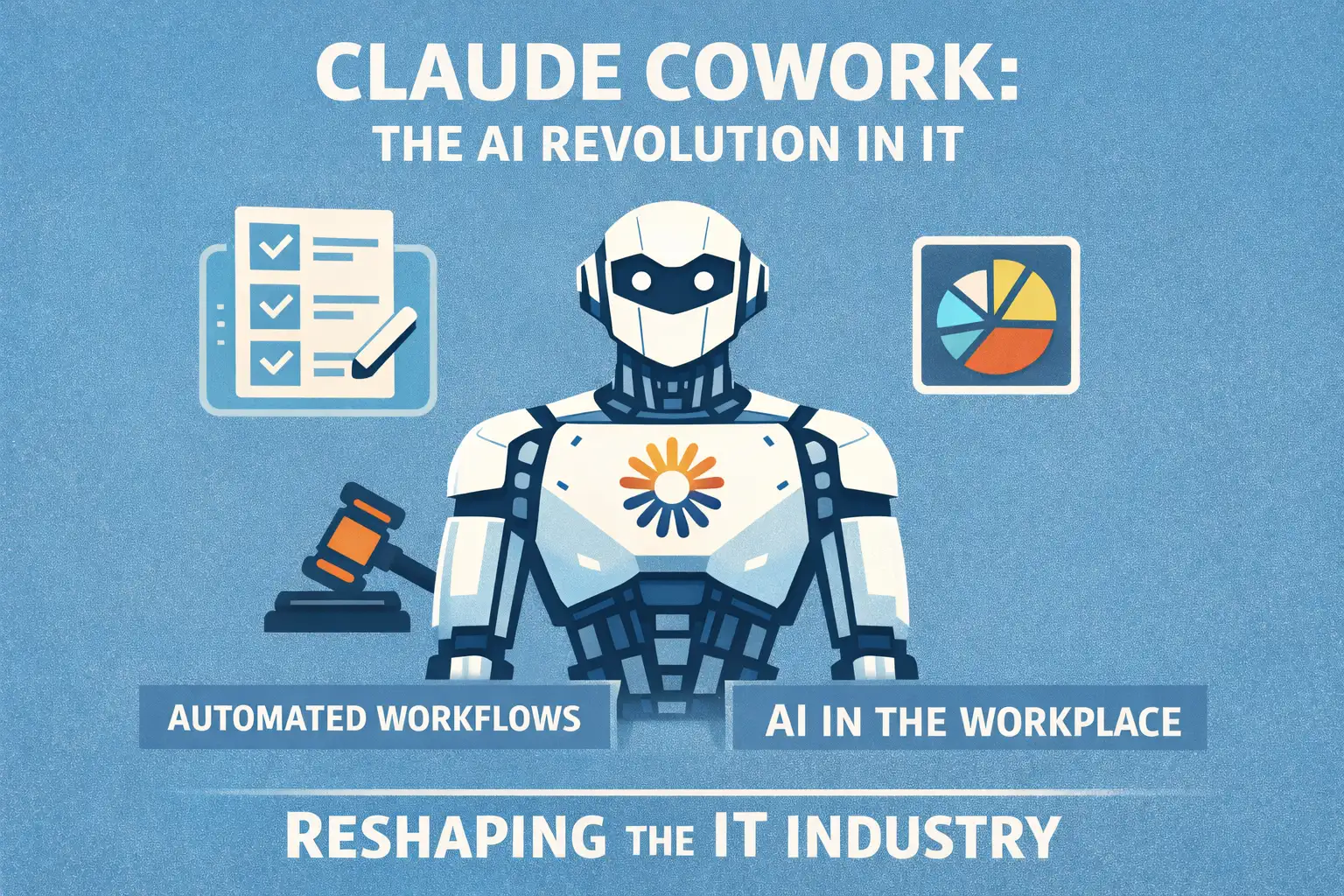

Anthropic, the US AI startup behind the AI model Claude, recently unveiled Claude Cowork, a powerful AI tool that goes beyond traditional chatbot help. Instead of just generating text from prompts, Claude Cowork can carry out business tasks, workflows, and decision-making processes in areas like legal analysis, sales support, marketing, data review, finance operations, and more.
What makes Cowork unique:
It isn’t just a chat interface; it can perform multi-step actions on its own once given instructions.
Users can allow workspace access or connect plugins so Claude can create reports, draft legal summaries, improve data insights, and manage structured workflows without needing manual back-and-forth.
Anthropic added 11 plugins designed to integrate Claude into enterprise workflows, making the system much more capable than a standard AI assistant.
In short, Cowork turns Claude into a digital coworker, able to handle tasks that used to require many human specialists or dedicated software tools.
Why It Shook IT Stocks
When Anthropic announced its new capability, markets reacted sharply, especially in the software and IT services sectors.
Immediate Market Reaction
Global tech and software valuations dropped, with around $285 billion lost in software stocks according to various reports.
Major Indian IT companies like experienced significant declines in their share prices, causing the Nifty IT index to fall by about 6 to 7 percent.
Why Investors Are Scared
Traditionally, IT services companies earn money from:
- Billable hours of developer and consultant teams
- Software subscriptions for enterprise tools
- Custom engineering and integration projects
But AI tools like Claude Cowork raise several concerns:
Disintermediation of software services: If an AI can handle complex workflows or automate tasks on a large scale, companies might need fewer engineers, analysts, and software licenses.
Margin pressure: As tasks that required large vendor teams become automated, traditional revenue sources based on labor and licensing could shrink.
Fear of obsolescence: Investors worry that generative AI might eventually replace or significantly reduce demand for existing enterprise software platforms and consulting services.
Some analysts have even labeled the reaction a “SaaSpocalypse,” a scenario where AI decreases reliance on Software-as-a-Service platforms and traditional IT contracts.
Lets wait and find out!


Start the conversation